

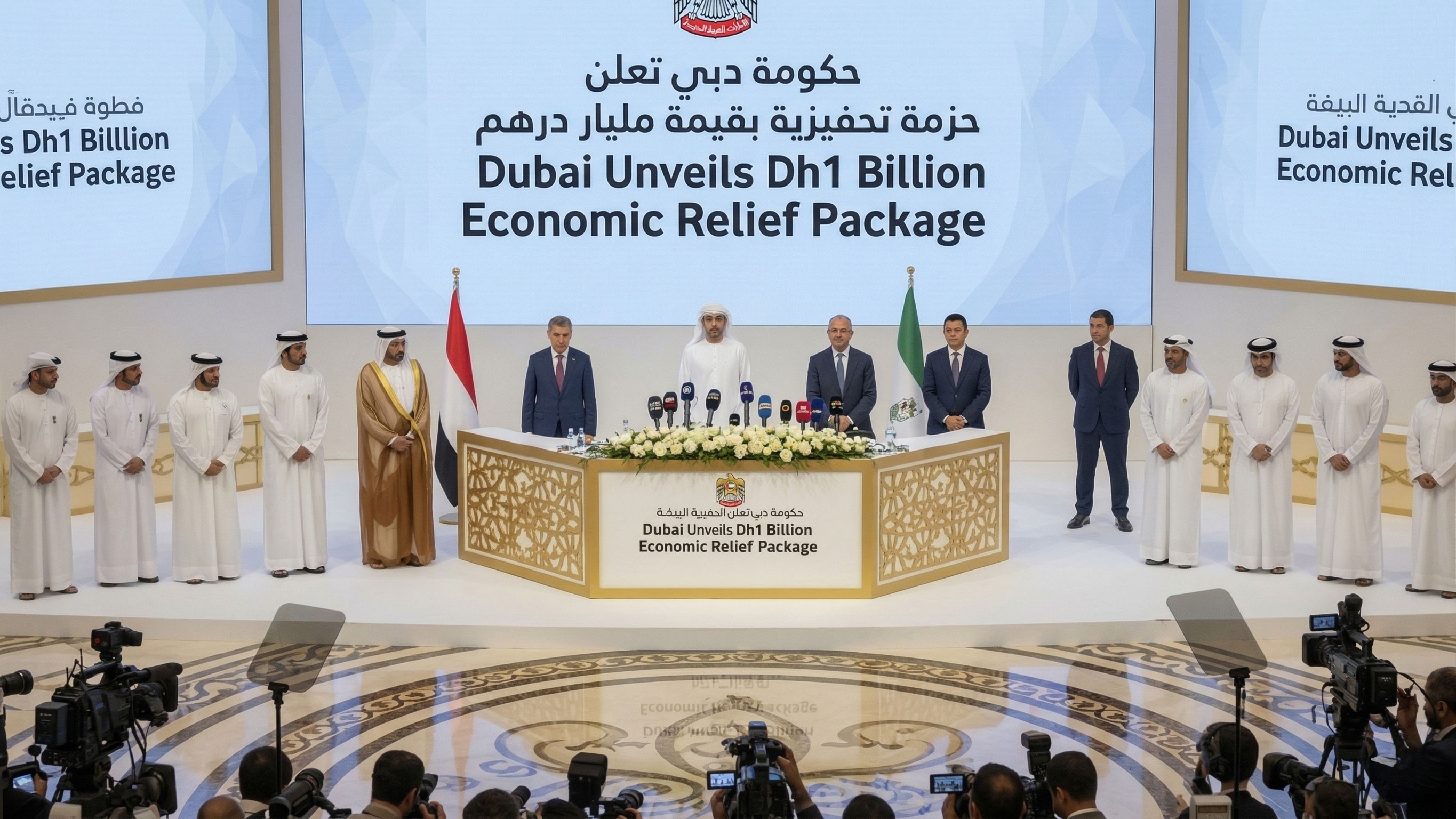
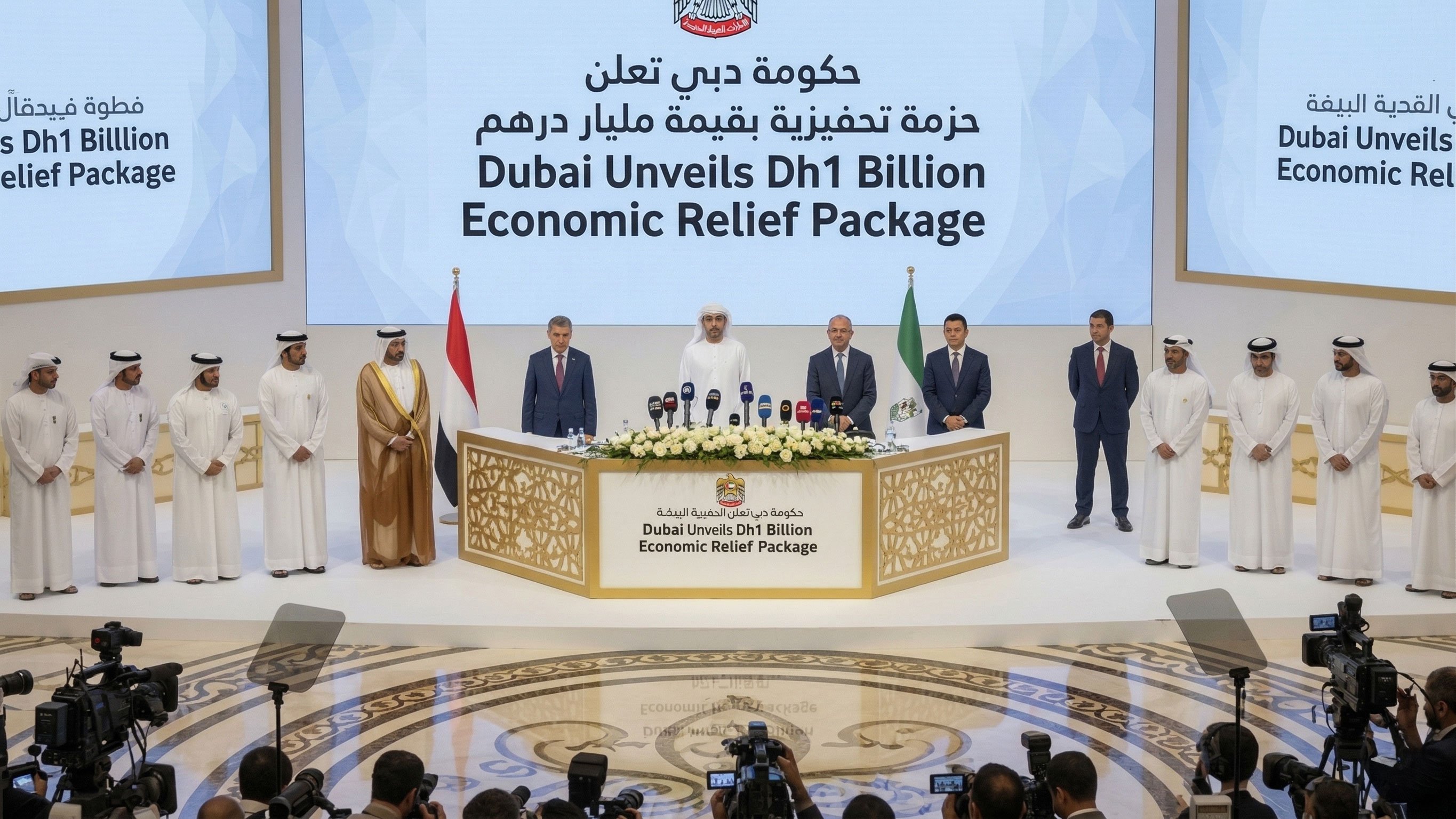
In a decisive move to fortify its position as a global economic powerhouse, Dubai has officially unveiled the intricate details of its Dh1-billion economic incentive package. This strategic intervention, spearheaded by Sheikh Hamdan bin Mohammed bin Rashid Al Maktoum, Crown Prince of Dubai, is designed to provide substantial liquidity relief and operational stability to the private sector. As we navigate the fiscal landscape of 2026, these measures represent a significant pillar of the Dubai Economic Agenda D33, aiming to double the size of the emirate's economy by 2033.
The latest economic stimulus is not merely a reactive measure; it is a proactive strategy to ensure economic resilience amidst global and regional fluctuations. We observe that the package targets the most critical pressure points for businesses: cash flow, operational costs, and talent retention. By injecting high-level flexibility into the regulatory framework, Dubai is reinforcing its reputation as a business-friendly hub that prioritizes the sustainability of its SMEs, trade enterprises, and hospitality giants.
The implementation of these measures began on April 1, 2026, with a primary focus on the immediate deferral of government fees. This ensures that capital remains within the businesses to fuel growth and innovation rather than being tied up in administrative overheads during a critical period of regional economic adjustment.
One of the most impactful components of this package is the three-month deferral of essential government fees. This applies across all sectors, ensuring that both new business licences and renewals benefit from the reprieve. We have categorized the specific fees eligible for this deferral to provide clarity for corporate entities operating within the emirate:
By addressing these diverse cost centers, the Dubai government is effectively lowering the barrier to entry for startups while reducing the retention costs for established enterprises.
The tourism industry remains a cornerstone of Dubai's GDP. To counter the impact of regional tensions and shifting consumer sentiments, the government has introduced hospitality-specific relief measures. These measures apply to the full spectrum of the industry, including luxury hotels, hotel apartments, and holiday homes.
Under the new mandate, hospitality establishments are permitted to postpone 100% of sales fees on guest rooms and food and beverage (F&B) services. Furthermore, the payment of the Tourism Dirham, a standard levy on hotel stays, is deferred for three months. This move is specifically engineered to enhance liquidity for hotel operators, allowing them to maintain service standards and employment levels without the immediate burden of tax remittances.
The expansion of customs-related incentives further cements Dubai's status as a global logistics gateway. The trade community, which faces ongoing volatility in international shipping routes, now benefits from significantly relaxed timelines.
Beyond financial incentives, the Dh1-billion package addresses the "human" element of the economy. We recognize that talent attraction and retention are vital for long-term competitiveness. The government has streamlined the processes for residency permits, making it easier for skilled professionals and their families to remain in the UAE.
The removal of administrative friction in the issuance and renewal of permits is a clear signal to global talent that Dubai remains an accessible and stable environment for career growth. For family-owned SMEs, these policies ensure that the core workforce remains intact, protecting the institutional knowledge and operational continuity of these vital businesses.
To understand the scale of this stimulus, one must look at the underlying economic performance of Dubai. In 2025, the emirate recorded a robust GDP growth of 5.4%, with the total economic output reaching approximately Dh937 billion. In the final quarter of 2025 alone, growth peaked at 6.4%.
The Dh1-billion package is strategically timed to sustain this momentum. It is not a "bailout" but rather a competitiveness boost. By using its strong balance sheet, Dubai is shielding the private sector from external shocks and ensuring that the momentum toward the D33 goals remains uninterrupted.
The stimulus package also integrates a strong social component, reflecting Dubai's holistic approach to development. The Dubai Empowerment Strategy for Emirati Families, led by the Community Development Authority, focuses on:
For regional and international investors, this rollout is a vote of confidence. The speed at which the Executive Council translated a high-level vision into actionable policy—effective within days of the announcement—highlights the agility of Dubai's leadership.
Businesses should immediately conduct a financial audit to model the impact of these deferrals on their cash-flow cycles. Key areas to analyze include:
For regional and international investors, this rollout is a vote of confidence. The speed at which the Executive Council translated a high-level vision into actionable policy—effective within days of the announcement—highlights the agility of Dubai's leadership. However, navigating these fee deferrals and the updated customs regulations requires local expertise and a physical footprint within the city.
To fully capitalize on the current fiscal reprieves, businesses need more than just a plan; they need the right infrastructure. This is where Bisdesk becomes a critical partner for your growth strategy.
Contact-Bisdesk-+971 42 538 800
The Dh1-billion economic incentive package is a testament to the "Dubai Model" of governance: a partnership between the public and private sectors characterized by clarity, cooperation, and decisive action. By addressing liquidity, trade flexibility, and social stability simultaneously, the emirate ensures it remains the premier destination for investment.
As these measures evolve over the initial three-to-six-month period, we expect the government to remain in close coordination with industry stakeholders. For companies looking to expand or solidify their presence, the current environment in Dubai offers a unique window of enhanced competitiveness.
For further assistance in navigating these changes and securing your business's future in the emirate, contact Bisdesk.com to explore how these packages reshape your entry plan or cost structure.